
How to Check Your Air Conditioner Before Calling for Service
- SURESH K
- Aug 26, 2025
- 2 min read

An air conditioner that isn’t cooling properly can make your home uncomfortable, especially during hot weather. But before rushing to call a service technician, there are several things to check yourself to potentially fix or identify the issue. This can save time, money, and help you understand whether professional service is truly needed.
1. Check the Thermostat Settings
Start with the simplest step: check if the thermostat is set to cool mode and the temperature is set lower than the room temperature. Sometimes, the thermostat may be accidentally switched off or set to heat mode, causing your AC not to run properly. Also, ensure the thermostat is set to “AUTO” rather than “ON” to avoid continuous fan running without cooling.

2. Inspect and Replace or Clean Air Filters
Dirty air filters restrict airflow and reduce cooling efficiency. Check your air filter monthly and clean or replace it as needed. A clogged filter can make the AC work harder, overheat, or blow warm air. Clean filters improve air quality and system performance.

3. Check Circuit Breakers and Power Supply
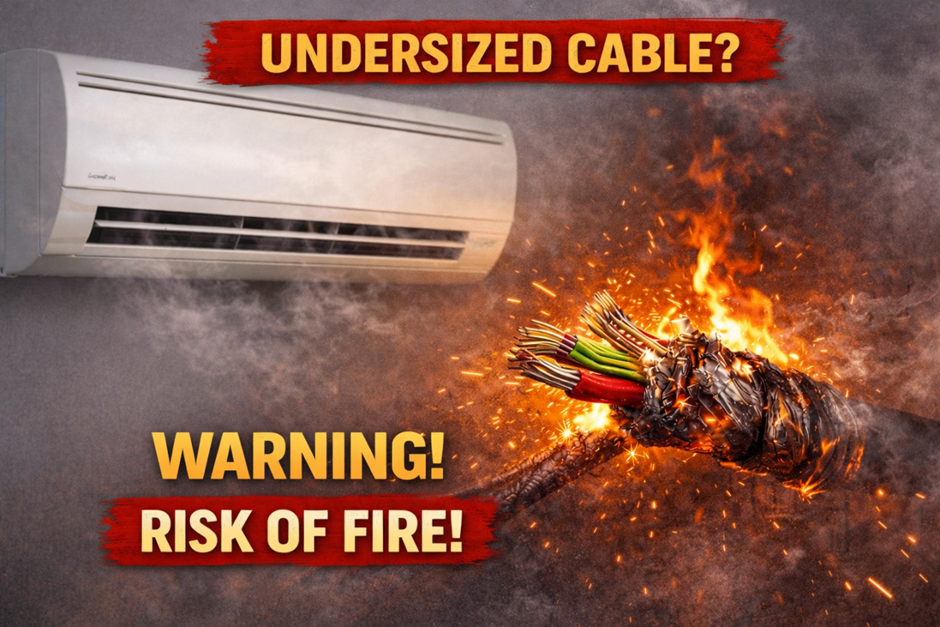
Make sure that the AC unit is receiving power. Check both the indoor and outdoor unit circuit breakers in your electrical panel to ensure none are tripped. Reset any tripped breakers cautiously. If breakers keep tripping, this indicates a serious electrical issue, and you should contact a professional.

4. Inspect Outdoor Unit (Condenser)
Ensure the outdoor condenser unit is clear of debris, plants, and dirt. There should be at least three feet of clearance around it. Gently clean the condenser fins with a brush or hose (low pressure) to improve heat exchange. Dirty or blocked condenser coils can cause the AC to overheat and stop cooling efficiently.

5. Check Air Vents and Registers.
Ensure that air vents inside your home are open and unobstructed by furniture or objects. Blocked vents reduce air distribution and cooling effectiveness.

6. Examine Drainage System
Look for water leaks or standing water near the indoor unit’s condensate pan and drain line. A clogged drain can cause water to back up and damage the system or trigger shut-offs. Cleaning the drain helps prevent water damage and restores proper function.

7. Consider External Conditions
If outside temperatures are extremely high, the AC might struggle to maintain cool indoor temperatures. This situation is normal and may just require supplementary fans or adjusted thermostat settings.

8. Additional Tips
Check thermostat batteries if your model uses them.
Close all windows and doors when the AC is running to prevent hot air infiltration.
Listen for unusual noises that might indicate mechanical problems.
If you suspect refrigerant leaks or major component issues, call a qualified technician.


Comments