
🔧 Is Your Water Heater Acting Up? Top Signs of Trouble and Simple Fixes
- SURESH K
- Sep 29, 2025
- 5 min read

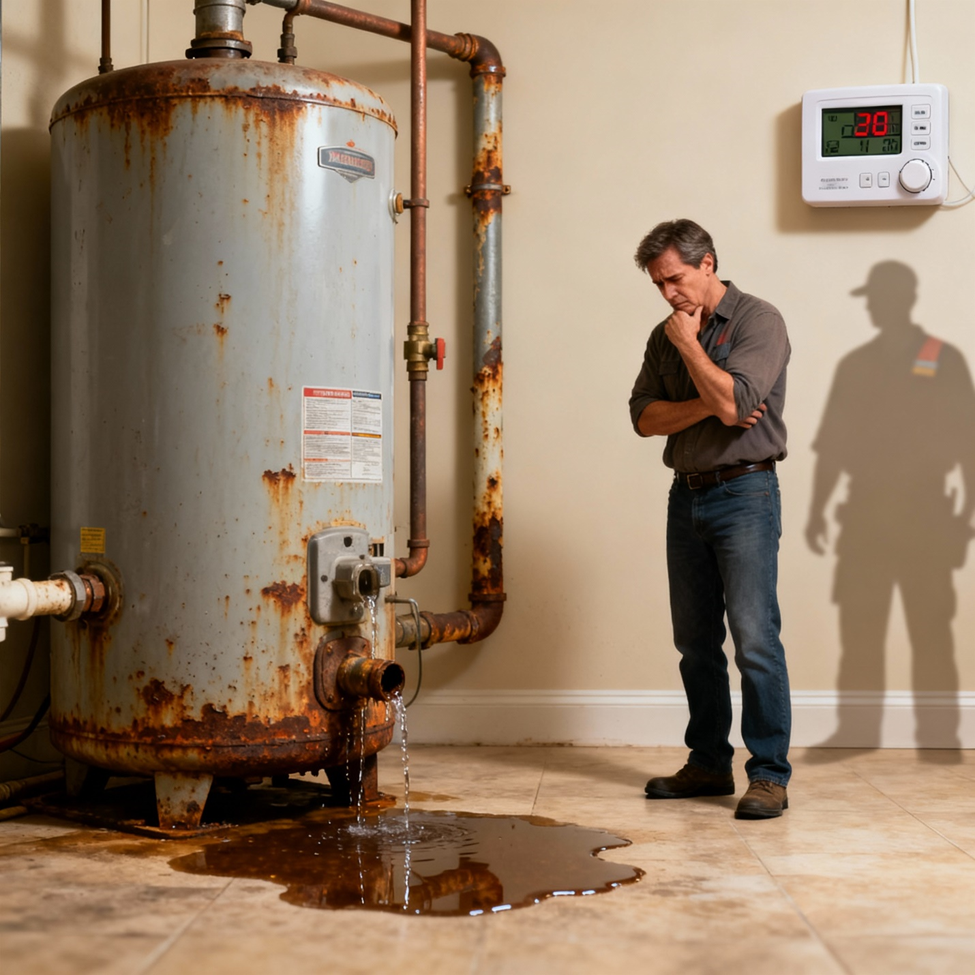
A water heater is one of those appliances we often take for granted—until it stops working properly. Whether it’s for a refreshing morning shower, washing dishes, or doing laundry, hot water plays a central role in making our daily routines comfortable and convenient. But like any mechanical system, water heaters are prone to wear and tear, and eventually, they’ll show signs of trouble.
Ignoring these warning signals can lead to bigger, costlier problems—not to mention the sudden shock of icy cold water when you least expect it. In this blog, we’ll explore the most common signs of water heater problems and outline simple fixes you can try before calling a professional.
🚨 Top Signs Your Water Heater Is in Trouble
1. Inconsistent Water Temperature
If your shower alternates between hot, lukewarm, and freezing cold without warning, your water heater may be struggling. This inconsistency usually points to one of two problems:
Sediment buildup inside the tank that interferes with heating.
A faulty thermostat or heating element in the case of electric models.
Why It Matters: Not only is this uncomfortable, but fluctuating water temperatures also reduce efficiency and can cause higher energy bills.
2. Unusual Noises (Rumbling, Popping, or Hissing)
A water heater should operate quietly. If you start hearing rumbling or popping sounds, it’s often caused by hardened sediment at the bottom of the tank. The noise comes from water bubbles escaping as they are heated beneath the sediment layer.
For tankless heaters, a hissing or whining noise may signal scale buildup on heating components.
Why It Matters: The more sediment builds up, the harder your water heater works, which shortens its lifespan and increases your utility costs.
3. Discolored or Rusty Water
Turning on the hot water tap and seeing brown, yellow, or rusty water is a red flag. This usually indicates corrosion inside the water heater tank or rusting pipes.
Why It Matters: If the tank itself is corroding, it’s only a matter of time before leaks occur. In such cases, replacement may be the only solution.
4. Water Heater Leaks
Water pooling around the base of your water heater is never a good sign. While sometimes it could just be condensation, it often signals a more serious issue:
Cracks in the tank due to expansion and contraction.
Leaking pressure relief valve.
Loose plumbing connections.
Why It Matters: Even a small leak can escalate into major water damage in your home if not addressed promptly.
5. Hot Water Runs Out Quickly
If your water seems to go cold after just a few minutes, your water heater isn’t holding or heating enough water. Common causes include:
Broken dip tube (the part that directs cold water to the bottom of the tank).
Worn-out heating elements.
Sediment buildup reducing tank capacity.
Why It Matters: Besides the inconvenience, this problem can leave you with higher bills for less usable hot water.
6. Takes Too Long to Heat Up
If you’re waiting an eternity for hot water, your water heater may be losing efficiency. For electric heaters, it might be a failing heating element. For gas heaters, it could be an issue with the burner or pilot light.
Why It Matters: A water heater that takes too long to heat wastes both time and energy.
7. Age of the Water Heater
Most water heaters have a lifespan of 8–12 years for traditional tanks and up to 20 years for tankless models. If yours is approaching or past this age range, even minor problems may signal that replacement is more cost-effective than repairs.
🛠️ Simple Fixes You Can Try
While some water heater issues require professional service, there are a few basic maintenance tasks and troubleshooting steps you can handle yourself.
1. Flush the Tank to Remove Sediment
Over time, minerals in your water settle at the bottom of the tank. This buildup reduces efficiency and causes noise.
How to Do It:
Turn off the power (electric) or set the gas valve to “pilot.”
Attach a garden hose to the tank’s drain valve and direct it to a safe drainage area.
Open the drain valve and let the water (and sediment) flow out.
Close the valve, refill the tank, and restore power.
Tip: Do this once or twice a year to extend your heater’s lifespan.
2. Check and Replace the Thermostat or Heating Elements
For electric water heaters, inconsistent temperatures often mean a faulty thermostat or heating element.
How to Do It:
Turn off the power supply.
Remove the access panel and test the thermostat with a multimeter.
If defective, replace with a new one (available at hardware stores).
3. Inspect the Pressure Relief Valve
This valve releases excess pressure to prevent tank explosions.
How to Do It:
Lift the valve’s lever slightly—water should discharge into the discharge pipe.
If nothing happens or water keeps leaking, the valve needs replacement.
4. Check the Anode Rod
The anode rod attracts corrosive elements to prevent the tank from rusting.
How to Do It:
Turn off water and power.
Unscrew the rod from the top of the tank.
If it’s worn down to less than ½ inch, replace it.
5. Adjust the Thermostat Setting
Sometimes, lukewarm water isn’t a big problem—it’s just a thermostat set too low. The recommended setting is 120°F (49°C).
6. Fix Pilot Light Issues (Gas Heaters)
If you have no hot water and your gas heater’s pilot light is out:
Follow manufacturer instructions to safely relight it.
If it won’t stay lit, the thermocouple may need replacing.
🔧 When to Call a Professional
While DIY fixes are great for minor issues, certain problems require expert help:
Persistent leaks.
Corroded tank (usually means full replacement).
Strange smells (like rotten eggs) from hot water—this can indicate bacterial growth.
Complex electrical or gas issues.
Professionals not only ensure safety but also help you decide whether repair or replacement is the smarter investment.
🌟 Preventive Maintenance Tips
The best way to avoid water heater problems is with regular care:
Flush your water heater annually.
Check the anode rod every 2–3 years.
Insulate the tank and pipes to reduce heat loss.
Schedule professional servicing every year.
💡 Conclusion
Your water heater works hard behind the scenes, and when it starts showing signs of trouble, it’s important not to ignore them. From inconsistent temperatures and strange noises to leaks and rusty water, these warning signs can tell you when it’s time to act.
Simple fixes like flushing the tank, checking the thermostat, or replacing the anode rod can solve many issues. But for bigger problems—like leaks, corrosion, or gas malfunctions—professional help is essential.
By paying attention to your water heater’s health and performing routine maintenance, you’ll enjoy reliable hot water, lower energy bills, and peace of mind for years to come.
📞 Need expert water heater servicing in Singapore?
Alpha & Omega Trinity Pte Ltd has you covered!
✅ GST-Registered | ✅ PUB-Compliant
📱 WhatsApp: +65 8151 8857


Comments