
Mistakes to Avoid When Replacing Your Air Conditioner
- SURESH K
- Nov 22, 2025
- 5 min read

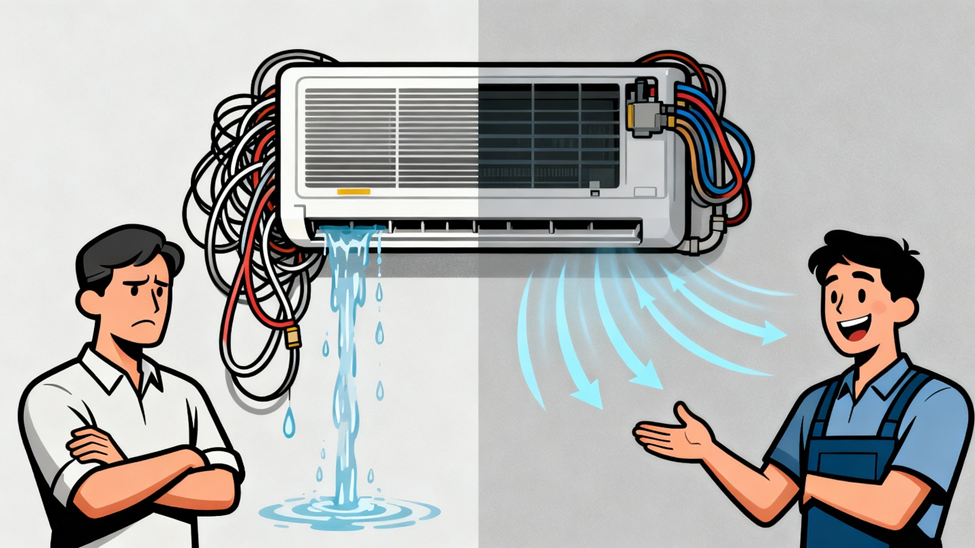
Replacing an air conditioner is one of the most important home-improvement decisions you will ever make. Whether you live in a landed property, HDB flat, condo, or commercial space, a properly installed air-conditioning system directly affects your comfort, indoor air quality, monthly electricity bills, and long-term equipment reliability.
However, many homeowners and business owners rush into buying and installing a new air-conditioning unit without understanding the common pitfalls. These mistakes often lead to higher costs, premature breakdowns, noisy operation, poor cooling performance, and the need for frequent repairs. To help you avoid these issues, we’ve compiled a detailed guide on the most common mistakes people make when replacing their air conditioners — and how to avoid them.
1. Choosing the Wrong Air-Conditioner Size
One of the biggest mistakes is selecting an air-conditioner that is either too small or too big for the space.
Why This Is a Problem

Undersized units struggle to cool the area properly, run continuously, and consume more energy.
Oversized units cool the air too quickly but fail to remove humidity, causing discomfort, mould growth, and uneven temperatures.
How to Avoid It
Always calculate the correct BTU (British Thermal Units) or cooling capacity based on:
Room/area size
Ceiling height
Sun exposure
Number of occupants
Heat-generating appliances
Ventilation and insulation quality
A professional assessment ensures the system is properly sized for your actual conditions.
2. Ignoring the Condition of Existing Pipes, Wiring, and Insulation

Many people assume that replacing only the indoor and outdoor units is enough. In reality, old pipework, wiring, or insulation can reduce efficiency and damage your new system.
Common Issues
Refrigerant oil cannot mix between old pipes and new models
Deteriorated insulation causes condensation, leaking, and energy loss
Old wiring may not support new inverter technology
Corroded or kinked pipes restrict gas flow
How to Avoid It
Conduct a complete assessment of:
Copper piping
Drainage pipes
Electrical lines
Trunking condition
Wall penetration points
Replacing these components during installation prevents expensive repairs later.
3. Not Checking Energy Efficiency Ratings

Another common mistake is choosing an air-conditioner based purely on price. Cheap units often have lower energy efficiency, which means higher monthly electricity bills in Singapore’s hot climate where AC usage is daily.
Why It Matters
Inverter systems consume significantly less electricity
Higher NEA energy ratings = long-term savings
Efficient models run quieter and last longer
How to Avoid It
Always check:
NEA Tick Ratings
Inverter vs non-inverter
Energy Efficiency Ratio (EER)
Seasonal Energy Efficiency Ratio (SEER)
A slightly higher upfront cost can save thousands over the years.
4. Choosing the Wrong Location for Indoor & Outdoor Units

Placement is critical to the overall efficiency and lifespan of your AC system.
Indoor Unit Mistakes
Installing above heat sources
Placing unit directly facing doors
Mounting on weak or vibrating walls
Poor airflow due to blocked furniture
Outdoor Unit Mistakes
Installing in a poorly ventilated area
Placing in direct sunlight
Mounting without proper vibration pads
Installing too close to neighbours or windows (noise complaints)
How to Avoid It
A proper site survey ensures:
Balanced cooling distribution
Sufficient airflow
Reduced noise
Longer equipment lifespan
Always priorities locations that maintain easy access for servicing, proper drainage, and natural airflow.
5. Hiring Unqualified or Non-Licensed Installers

This is one of the most serious mistakes. Poor installation leads to:
Gas leakage
Water dripping
Short cycling
Weak cooling
Higher electricity consumption
Voided warranty
In Singapore, air-conditioner installation must follow strict guidelines, especially for HDB and condo units.
How to Avoid It
Ensure your installer:
Is certified and experienced
Provides proper workmanship warranty
Uses correct refrigerant
Pressure-tests the system
Vacuum-charges refrigerant lines
Performs leak-testing
A professional installer saves you money, headaches, and future repair bills.
6. Forgetting About Drainage Requirements

Many people focus only on the cooling aspect and forget the condensate drainage system.
Common Drainage Mistakes
Using old, clogged drain pipes
Wrong drain pipe angle, causing water backflow
Loose connections leading to ceiling leaks
Not installing a secondary drain line (for concealed units)
How to Avoid It
Your installer should confirm:
Drain pipes have correct gradient
Pipes are flushed or replaced
Proper insulation to prevent sweating
Secure fittings to prevent leaks
Drainage issues cause 70% of ceiling and wall leaks in Singapore homes — avoidable with proper installation.
7. Not Considering Future Maintenance Access

When replacing AC units, many people focus only on appearance. They hide the indoor unit inside concealed ceiling spaces without thinking about future access.
Why This Is a Problem
Difficult to clean coils
Hard to remove blower wheels
Limited access for technician tools
Higher servicing cost
AC systems require regular servicing, and poor access increases both time and cost.
How to Avoid It
Before installation, plan:
Access panels
Sufficient working space
Proper opening size for blower removal
Clear drain pipe access
Good planning ensures years of affordable maintenance.
8. Skipping a Full System Test after Installation
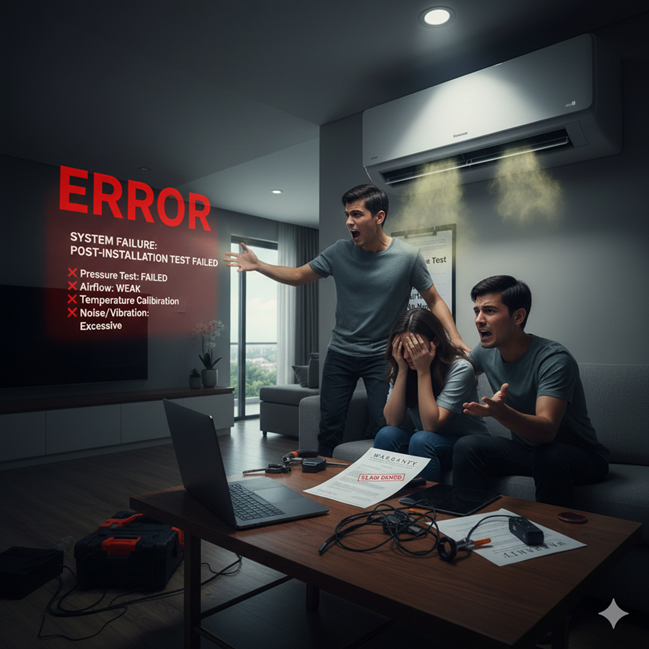
Once the installation is complete, many homeowners do not demand a thorough test. This leads to undetected problems like:
Minor gas leaks
Improper piping connection
Weak airflow
Incorrect temperature calibration
Condensation formation
How to Avoid It
Request a full post-installation inspection including:
Pressure testing
Vacuum process
Refrigerant top-up check
Airflow balancing
Temperature drop measurement
Noise and vibration testing
A proper commissioning test ensures your system is running perfectly from day one.
9. Not Asking About Warranty Coverage
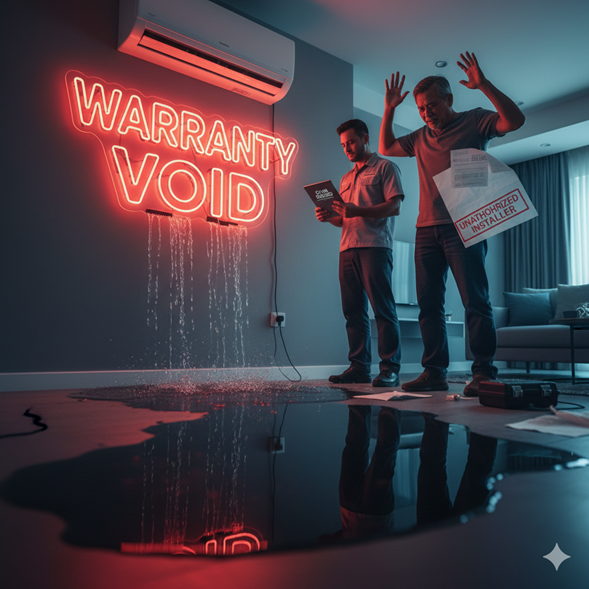
A common mistake is failing to confirm:
Manufacturer warranty
Workmanship warranty
Coverage limitations
Service response time
How to Avoid It
Check:
Warranty duration (usually 1–2 years for labour, 5–10 years for compressor)
Parts covered
Situations that void warranty (e.g., tampering, non-authorized repair)
Whether workmanship warranty includes leakage issues
Good warranty protects your investment.
10. Buying Based on Lowest Price Instead of Value

Cheap is expensive when it comes to air-conditioner replacement.
Low-cost installations often skip:
Proper insulation
Quality mounting brackets
Vibration pads
Genuine gas
Proper vacuuming
Leak-testing
This causes problems such as high electricity bills, frequent breakdowns, and early replacement.
How to Avoid It
Choose value, not just price:
Good workmanship
High-efficiency units
Proper system testing
Quality copper pipes and insulation
Long-term support
A properly installed AC can work efficiently for 10–15 years.
Final Thoughts

Replacing your air conditioner is more than just swapping old equipment for new. It requires careful planning, correct sizing, proper installation techniques, and choosing the right professionals. Avoiding these common mistakes ensures:
Better cooling performance
Lower electricity bills
Longer equipment lifespan
Fewer breakdowns
A healthier and more comfortable indoor environment
If you are considering replacing your AC, always request a detailed site assessment, transparent pricing, and a proper installation plan to avoid costly mistakes. A well-installed system is a long-term investment that pays off in comfort, efficiency, and peace of mind.
Why Choose Alpha & Omega Trinity Pte Ltd for Your Air-Conditioner Replacement?
At Alpha & Omega Trinity Pte Ltd, we deliver professional, safe, and reliable air-conditioning replacement services for HDB, condo, landed, commercial, and industrial properties across Singapore. Our trained technicians perform a full site inspection, ensure correct BTU sizing, check all existing pipes and wiring, and carry out proper vacuuming, leak testing, and commissioning according to NEA and manufacturer standards. We use high-quality compatible materials, provide transparent quotations, and offer dependable after-sales support with workmanship warranty.
With AOT, you get a trusted partner committed to quality, long-term performance, and customer satisfaction. For enquiries or quotations, Call/WhatsApp us at +65 8151 8857 or visit our website at www.aotrinitysg.com — we’re ready to assist you with all your air-conditioning needs.


Comments