
Why Clean Water Tanks Save Energy and Money
- SURESH K
- Sep 8, 2025
- 5 min read

Updated: Sep 9, 2025
In every building—whether residential, commercial, or industrial—water tanks play a critical role in storing and supplying water for daily use. Yet, they are often hidden away on rooftops, in basements, or in utility areas, and therefore neglected until a problem arises. Most people focus on ensuring water tanks provide safe, hygienic water for drinking, cooking, or washing. But there’s another side to tank maintenance that is frequently overlooked: clean water tanks help save energy and money.

This blog will explore how keeping your water tanks clean not only protects health but also reduces energy bills, prevents costly repairs, extends the lifespan of your plumbing systems, and even contributes to sustainability.
1. The Hidden Cost of Dirty Water Tanks
When water tanks are left uncleaned for months or even years, various problems arise:
Sediment Build-Up: Minerals, sand, and rust from pipes settle at the bottom of the tank.
Biofilm and Bacterial Growth: Microorganisms form slimy layers on tank walls and equipment.
Algae Growth: Sunlight exposure through cracks or translucent covers encourages algae.
Corrosion: Metal tanks rust, contaminating the water and damaging the structure.
Stagnation: Water left unused becomes stale, leading to odor and taste issues.

While these problems primarily threaten water quality, they also impact energy efficiency. Pumps, heaters, and other mechanical systems have to work harder when water is contaminated with sediment or microorganisms, which in turn increases electricity consumption.
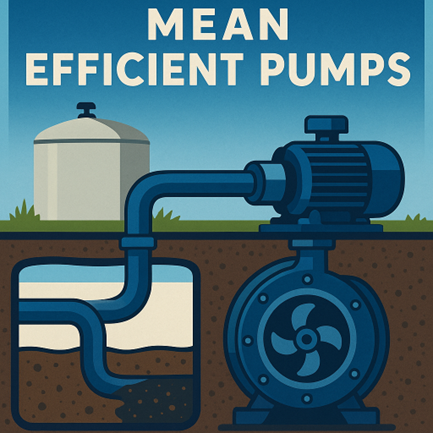
2. Clean Tanks Mean Efficient Pumps
Most water tanks rely on pumps to distribute water across a building. Pumps function best when water is clean and free of particles. However, sediment-laden or contaminated water causes:
Clogging of pump impellers and strainers.
Reduced flow rates, forcing pumps to run longer.
Increased wear and tear, leading to more frequent repairs or replacements.
When pumps are forced to operate under strain, their energy consumption spikes. By contrast, tanks that are regularly cleaned and maintained ensure that pumps operate at optimal efficiency. This translates directly into lower electricity bills and reduced maintenance costs.
3. Cleaner Water Reduces Heating Costs
One of the largest hidden energy drains caused by dirty tanks is linked to water heating systems. Whether it’s a storage water heater in a residential flat, a central boiler in a hotel, or industrial hot water equipment, all depend on a consistent supply of clean water.

Here’s how dirty water affects heating efficiency:
Sediment Build-Up in Heaters: Sediment from unclean tanks travels downstream and settles at the bottom of water heaters. This creates an insulating barrier between the heating element and the water, forcing heaters to use more energy to achieve the same temperature.
Scaling and Mineral Deposits: Contaminated water accelerates limescale deposits on heating elements, reducing heat transfer efficiency.
Shortened Equipment Lifespan: Heating elements burn out faster, and entire units may need replacement sooner than expected.
In fact, studies show that just 1mm of scale on heating surfaces can increase energy consumption by up to 7%. Regular tank cleaning prevents sediment from entering heaters, ensuring they work at peak efficiency and keep energy bills down.
4. Longer Lifespan of Plumbing Infrastructure
Dirty tanks don’t just affect the water itself—they put strain on the entire plumbing system:

Pipes corrode faster when water carries sediment or bacteria.
Valves and fittings wear out prematurely due to abrasive particles.
Filters and strainers clog frequently, requiring replacement.
Every repair and replacement costs money—not just for the parts but also for labor and downtime. A clean tank reduces the frequency of these issues, meaning plumbing systems last longer and require fewer interventions. Over years, the savings are significant.
5. Prevention of Expensive Water Damage
Another hidden cost of neglected water tanks is water leakage and damage. Sediment and rust weaken tank walls, while unchecked microbial growth can corrode metal or clog outlets. This increases the risk of:

Tank leaks or bursts, leading to flooding.
Water contamination, resulting in expensive cleaning and legal liabilities (especially for businesses like hotels or food facilities).
Costly emergency repairs that could have been avoided with routine cleaning.
Preventive maintenance—such as regular tank cleaning—protects against these sudden expenses, which are often far higher than the cost of scheduled cleaning services.
6. Energy Savings for Commercial and Industrial Buildings
For commercial and industrial facilities, clean water tanks can result in substantial savings because of the scale of operations:

Hotels: Centralized hot water systems rely heavily on clean water for efficiency. Dirty tanks increase electricity bills and shorten equipment life.
Hospitals: Constant water usage requires reliable pumps and heaters. Contamination not only drives up costs but also risks patient safety.
Factories: Many industrial processes use water for cooling or heating. Clean tanks ensure equipment works efficiently, reducing both energy and downtime.
By maintaining water tanks, these facilities can cut costs on utilities and equipment replacements—often running into tens of thousands of dollars annually.
7. Sustainability and Environmental Benefits
Saving energy and money isn’t just about cost-cutting—it also has an environmental impact. Every kilowatt-hour of electricity saved means fewer greenhouse gas emissions. Clean water tanks:

Reduce wasted energy in pumping and heating.
Minimize water wastage caused by leaks or contamination.
Extend the lifespan of equipment, reducing manufacturing demand and waste.
For businesses, this can also enhance their corporate sustainability profile, showing commitment to eco-friendly practices. For homeowners, it’s a simple but powerful way to reduce their carbon footprint.
8. Calculating the Long-Term Savings
Let’s put the benefits into perspective with a simple example:

A household water heater consumes about 1,500 kWh per year. If sediment build-up increases energy use by just 10%, that’s an extra 150 kWh annually. At an electricity rate of S$0.30 per kWh, that’s S$45 wasted every year—per heater.
In a commercial building with 10 heaters, the cost balloons to S$450 annually, not counting additional pump inefficiencies or repairs.
Add in the cost of replacing a prematurely failed pump or heater (often S$1,000–S$5,000 each), and the savings from regular tank cleaning become undeniable.
What looks like a small inefficiency quickly multiplies into thousands of dollars in unnecessary costs over time.
9. How Often Should Tanks Be Cleaned?
The frequency of cleaning depends on several factors:
Residential Homes: At least once a year.
Commercial Buildings (Hotels, Offices): Every 6 months, due to higher usage.

Industrial Facilities: Quarterly, especially if water is used for production processes.
Regular inspections are also essential to detect leaks, cracks, or signs of contamination early.
10. Professional Cleaning vs. DIY
While some homeowners attempt to clean small water tanks themselves, professional cleaning is highly recommended for:
Large or rooftop tanks.
Underground reservoirs.
Commercial and industrial systems.

Professionals use disinfection, pressure washing, and safety equipment to thoroughly clean and sanitize tanks without damaging the structure. Though it comes at a cost, the long-term energy and money savings far outweigh the initial expense.
Conclusion
Clean water tanks are more than a matter of hygiene—they are a cornerstone of efficiency and cost savings. By preventing sediment build-up, protecting pumps and heaters, extending plumbing lifespan, and reducing the risk of costly damage, clean tanks ensure that buildings run smoothly while keeping energy bills low.
For homeowners, regular cleaning may seem like a chore, but it’s an investment that pays for itself many times over. For businesses and industries, it’s a critical maintenance practice that protects both profits and reputations.
In short, a clean water tank saves money, saves energy, and supports sustainability. Neglecting it, on the other hand, only leads to rising costs, inefficiencies, and risks that could have been easily avoided.
Alpha & Omega Trinity Pte Ltd
Don't worry — we've got you covered with professional services in:
🔧 Plumbing Services
💧 Pump & Water System Services
❄️ Air Conditioning & Cooling Services
🛠️ General Maintenance
+65 8151 8857



Comments