
Why Your Floor Trap Smells Bad — Serious Choke Inside
- SURESH K
- Dec 18, 2025
- 4 min read

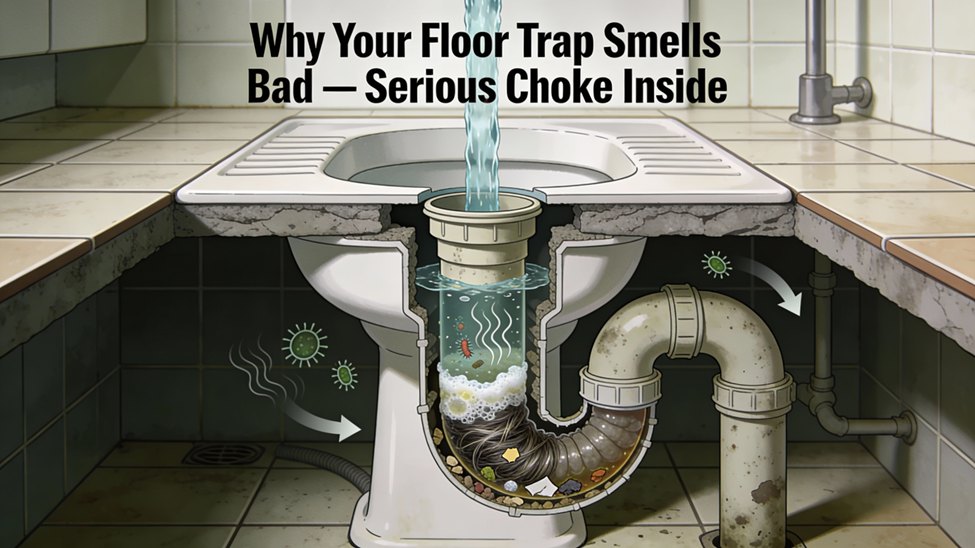
A bad smell coming from your bathroom, kitchen, or balcony floor trap is more than just an unpleasant nuisance. Many homeowners try to mask it with air fresheners or pour chemicals down the drain, thinking it’s a minor issue. In reality, a smelly floor trap is often a clear warning sign of a serious internal choke, hidden beneath the floor — and ignoring it can lead to costly repairs, health risks, and even sewage backflow.
This article explains why floor traps smell, what causes the choke inside, the dangers of ignoring it, and the right professional solution to fix the problem permanently.
What Is a Floor Trap and Why Is It Important?
A floor trap is a plumbing fixture installed at floor level, usually in:
Bathrooms
Kitchens
Balconies
Utility areas
Service yards
Its main functions are:
Collect wastewater and direct it to the sewer line
Prevent sewer gases from coming back into your home using a water seal
Catch debris (hair, food particles, dirt) before it enters the main pipe
When the floor trap works properly, you never notice it. When it doesn’t, smell is the first alarm.
Why Your Floor Trap Smells Bad

A bad odour almost always means something is wrong inside the trap or the connected drainage pipe. The most common causes include:
1. Serious Choke (Blockage) Inside the Trap
Over time, debris accumulates inside the floor trap:
Hair
Soap scum
Grease and oil
Food waste
Sand and dirt
Detergent residue
These materials combine into thick sludge, reducing water flow. As waste sits stagnant, bacteria grow rapidly, producing foul-smelling gases.
👉 This is the most common and most dangerous cause.
2. Grease Build-Up (Especially in Kitchens)
In kitchens, oil and grease may look harmless when poured down the sink, but once cooled, they solidify inside pipes. Grease sticks to pipe walls and traps other debris, creating a progressive choke.
Result:
Persistent bad smell
Slow drainage
Eventual full blockage
3. Dry or Broken Water Seal
Floor traps rely on a water seal (a small amount of standing water) to block sewer gases. Problems occur when:
The trap is rarely used and dries out
Poor installation causes seal failure
Internal components crack or shift
Without a proper water seal, sewer gases rise directly into your home, causing strong, unpleasant odours.
4. Bacterial and Biofilm Formation
Inside blocked or slow-moving drains, bacteria form biofilm — a slimy layer that:
Produces hydrogen sulphide gas (rotten egg smell)
Corrodes pipes over time
Attracts insects like cockroaches and drain flies
This smell will not disappear on its own.
5. Poor Pipe Gradient or Installation Defects
Improper pipe slope causes water to:
Drain too slowly
Remain trapped inside the pipe
Leave behind solids that harden
This is common in older buildings or poorly renovated units and often leads to recurring choke issues.
Signs That a Serious Choke Is Developing
Smell is only the beginning. Watch out for these warning signs:
🚨 Persistent foul smell even after cleaning
🚨 Slow drainage from floor trap
🚨 Gurgling or bubbling sounds
🚨 Water backing up during shower or washing
🚨 Cockroaches appearing near drains
🚨 Smell becomes worse at night or early morning
If you notice more than one of these, the blockage is already significant.
Why Ignoring a Smelly Floor Trap Is Dangerous

Many people delay action, but ignoring the problem can lead to serious consequences:
1. Sewage Backflow
A complete choke can cause wastewater to flow back into bathrooms or kitchens, flooding floors with contaminated water.
2. Health Risks
Sewer gases contain harmful bacteria and gases such as:
Hydrogen sulphide
Methane
Ammonia
Long-term exposure can cause:
Headaches
Nausea
Breathing discomfort
Increased risk for children and elderly occupants
3. Structural Damage
Constant moisture and leakage around a blocked floor trap can:
Weaken concrete
Damage tiles and waterproofing
Cause seepage to lower units
This can result in expensive hacking and reinstatement work.
4. Pest Infestation
Blocked drains are ideal breeding grounds for:
Cockroaches
Drain flies
Rats (in severe cases)
Once pests enter through drainage, controlling them becomes difficult and costly.
Why DIY Methods Usually Don’t Work

Many homeowners try:
Pouring hot water
Using chemical drain cleaners
Baking soda and vinegar
DIY drain rods
These methods may give temporary relief, but they do not remove deep sludge or hardened grease. Chemical cleaners can even:
Damage pipes
Corrode joints
Worsen long-term problems
Professional equipment is required to fully clear the choke.
The Right Professional Solution
To properly eliminate floor trap odour, the choke must be removed completely. A professional solution includes:
✔ Thorough Floor Trap Inspection
Opening the trap
Checking internal condition
Identifying grease, sludge, or foreign objects
✔ Mechanical or High-Pressure Cleaning
Removing compacted debris
Breaking hardened grease
Flushing pipes thoroughly
This restores proper water flow and removes bacteria buildup.
✔ Water Seal Restoration
Ensuring correct water level
Replacing damaged trap components if required
Preventing sewer gas escape
✔ Preventive Treatment
Anti-bacterial flushing
Advice on usage habits
Optional scheduled maintenance
This prevents recurring smell issues.
How Often Should Floor Traps Be Cleaned?
Recommended maintenance:
Residential units: Every 6–12 months
Heavy-use kitchens: Every 3–6 months
Commercial premises: As per usage and PUB guidelines
Regular cleaning is far cheaper than emergency repairs.
How to Prevent Floor Trap Smell in the Future
Follow these simple practices:
Avoid pouring oil or grease into drains
Use strainers to catch hair and debris
Run water regularly to maintain water seal
Schedule professional cleaning
Act immediately at the first sign of odour
Final Thoughts
A bad-smelling floor trap is never just a smell. It is your plumbing system warning you of a serious choke forming inside. Ignoring it can lead to sewage overflow, health risks, pest infestations, and expensive structural damage.
The good news? When addressed early by professionals, the problem can be resolved quickly, safely, and permanently.
If you notice persistent odour, slow drainage, or any warning signs — don’t wait. Early action protects your home, your health, and your wallet.
📞 Alpha & Omega Trinity Pte Ltd
📞 Call / WhatsApp: +65 8151 8857
🌐 www.aotrinitysg.com.com🔧 Licensed plumbing specialists🚿 Floor trap cleaning | Choke removal | Preventive maintenance📲 Call or WhatsApp us today for professional assistance



Comments