
🔥 Why Your Switch Plate Feels Hot — Internal Wiring Fault 🔥
- SURESH K
- Jan 13
- 3 min read


A warm or hot switch plate is not something to ignore. Many homeowners assume it is a minor electrical issue or blame the weather, but in reality, a hot switch plate is often an early warning sign of a serious internal wiring fault. Understanding why this happens—and what it can lead to—can help prevent costly damage, electrical failure, or even fire.
This article explains what causes a switch plate to heat up, why it is dangerous, and what actions should be taken immediately.
Understanding the Role of a Switch Plate
A switch plate is not just a cover. Behind it are live electrical components such as:
Conductors (live, neutral, earth wires)
Terminals and connectors
Switch mechanisms that control current flow
When everything is installed correctly, these components remain cool during normal operation. Heat is never normal in a switch plate.
Why Does a Switch Plate Feel Hot?

1. Loose Internal Wiring
Loose connections are the most common cause of overheating. When a wire is not tightly secured:
Electrical resistance increases
Energy is lost as heat instead of being delivered efficiently
Heat builds up inside the wall box
Over time, this heat can char insulation and damage surrounding materials.
2. Overloaded Circuits
Modern homes use far more electrical appliances than older wiring systems were designed for. When multiple high-load devices are connected to the same circuit:
Current exceeds safe limits
Switch contacts overheat
Internal components degrade faster
This is common in older properties where electrical upgrades were never done.
3. Aging or Deteriorated Cables
Electrical cables degrade with age due to:
Heat cycles
Moisture exposure
Chemical reactions in insulation materials
Old insulation becomes brittle and cracked, allowing heat to escape and accumulate around the switch plate.
4. Worn-Out Switches or Terminals
Switches have a lifespan. Repeated on/off cycles cause:
Contact pitting
Increased resistance
Poor conductivity
A worn switch may still function, but it generates excess heat internally.
5. Poor-Quality or Incorrect Installation
Improper workmanship is a major hidden risk:
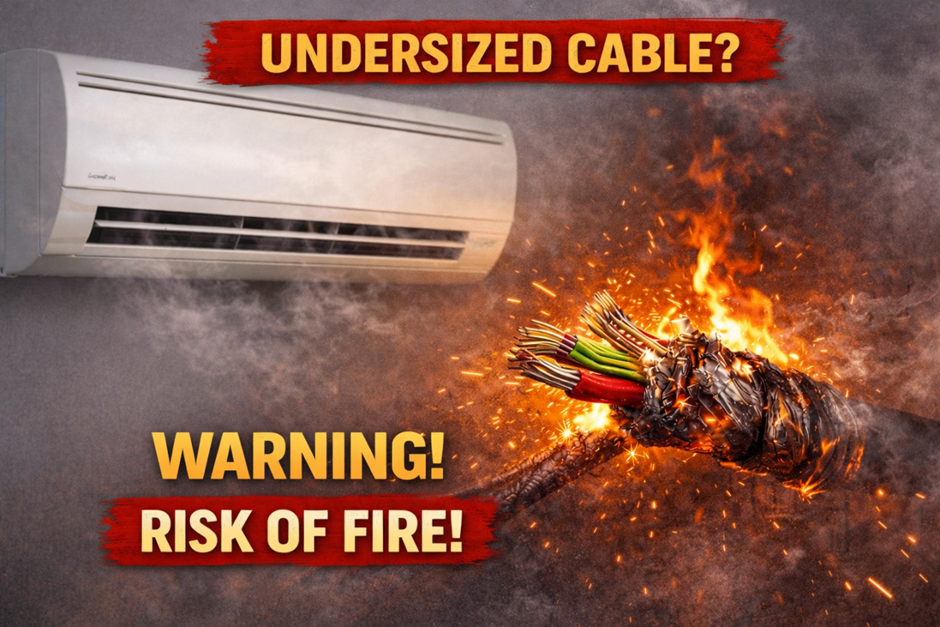
Undersized cables
Incorrect termination
Inferior switch brands
No proper earthing
These shortcuts may work initially but often fail under load.
Why You Should Never Ignore a Hot Switch Plate

🔥 Fire Risk Inside the Wall
Electrical fires often start inside walls, unseen. A hot switch plate can ignite:
Plastic switch housing
Cable insulation
Wooden framing or wall materials
By the time smoke appears, damage is already severe.
⚡ Melted Insulation & Hidden Cable Damage
Heat breaks down insulation, exposing live conductors. This can cause:
Short circuits
Electric shock hazards
Sudden system failure
Hidden damage is especially dangerous because it continues to worsen silently.
💥 Sudden Power Failure or Short Circuit
Overheated components can fail without warning, leading to:
Tripping circuit breakers
Power outages
Damage to connected appliances
In some cases, the switch may completely burn out.
💸 Higher Electricity Bills
Resistance equals energy loss. When wiring overheats:
Power efficiency drops
More electricity is consumed for the same output
Bills increase without obvious reason
This is often overlooked but adds up over time.
Warning Signs That Require Immediate Attention
Do not wait if you notice:
Switch plate warm or hot to touch
Burning smell near switches
Discoloration or yellowing of the plate
Crackling or buzzing sounds
Lights flickering when switch is used
These are urgent electrical warning signs.
What You Should Do Immediately
1. Stop Using the Switch
If possible, turn off the switch and isolate the circuit at the distribution board. Continued use increases risk.
2. Do Not Attempt DIY Repairs
Opening a switch plate without proper training can cause:
Electric shock
Incorrect reconnection
Worsening of the fault
Electrical faults must be handled by qualified professionals.
3. Arrange a Professional Electrical Inspection
A proper inspection includes:
Checking cable tightness
Measuring load and temperature
Inspecting insulation condition
Verifying earthing and circuit capacity
This ensures the root cause is identified—not just the symptom.
4. Replace Damaged Components
Depending on findings, solutions may include:
Replacing the switch mechanism
Re-terminating cables
Upgrading wiring size
Redistributing electrical loads
Early repair is always cheaper than emergency repair after failure.
Prevention Is Always Cheaper Than Repair
Many electrical fires and failures are 100% preventable with:
Periodic electrical inspections
Timely replacement of aging switches
Proper load management
Quality installation standards
If your property is more than 10–15 years old and has never undergone an electrical check, the risk is already high.
Final Warning: Heat Is a Symptom, Not the Problem
A hot switch plate is not the problem—it is the warning sign. Behind it, something is already failing. Ignoring it means allowing damage to progress until it becomes dangerous, expensive, or life-threatening.
Electrical systems rarely fail suddenly. They warn you first.
Heat is that warning.
Need Professional Electrical Inspection & Repair?

Alpha & Omega Trinity Pte LtdProfessional Electrical, ACMV & MEP Specialists
📞 Call / WhatsApp: +65 8151 8857🌐 Website: www.aotrinitysg.com.com
Don’t wait for sparks, smoke, or failure.Fix the problem before it becomes a fire.


Comments