

Your Power Trip Might Be Caused by Ants in the Socket — Common Issue!

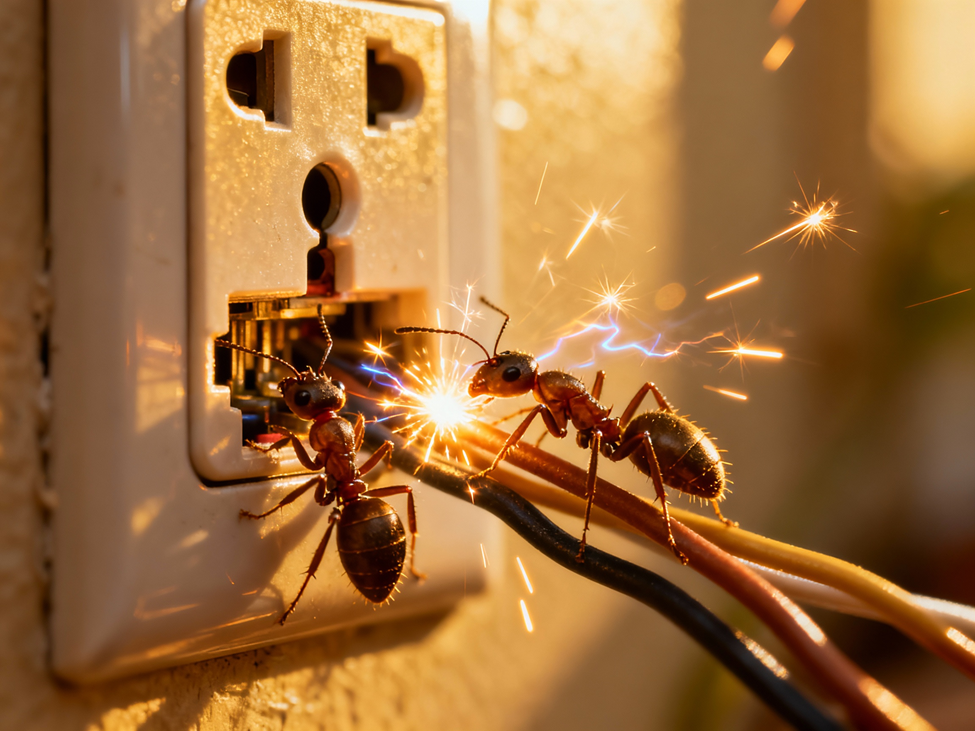
When a home’s electricity suddenly trips, most people assume the worst: a wiring failure, a burned component, or a major electrical fault. But in Singapore and Malaysia, there’s an increasingly common culprit that homeowners almost never expect — ants inside your electrical sockets.Yes, tiny ants can shut down your entire house.
While it may sound surprising, ants are one of the top hidden causes of frequent circuit breaker tripping, short-circuits, and even burnt switches. Their colonies thrive in warm, dark places, and your wall sockets provide ideal shelter. Over time, their movement, moisture, and organic debris create a conductive path that leads to short circuits.
In this blog, we’ll break down why this happens, how to identify the signs, the dangers involved, and what every homeowner should do to prevent a small ant problem from becoming a costly electrical emergency.
1. Why Ants Enter Electrical Sockets

Ants are naturally drawn to places that offer warmth, safety, and tight spaces. Electrical sockets and power points happen to check all three boxes.
1.1 Warmth from Electricity
Many ants sense heat and are attracted to warm electrical components such as wall switches, DB boards, and socket outlets.Warm environments help ants regulate body temperature and protect their colonies.
1.2 Shelter for Nesting
The inside of a socket is dark, enclosed, and rarely disturbed — perfect for ants to build nests without being noticed.
1.3 Food Trails & Moisture
Some ant species leave trails that carry moisture or chemical secretions. These can slowly build up inside electrical terminals, which increases the chance of short-circuiting.
1.4 Colony Expansion
When a colony grows too big, worker ants explore new nesting sites. Sockets and switches are top candidates due to the structural gaps around conduits and trunking.
2. How Ants Cause Power Trips

A Residual Current Device (RCD) or RCCB is designed to protect you from electrical faults. Even a small conductive bridge — caused by ants — can trigger the breaker to trip instantly.
Here’s how ants lead to electrical faults:
2.1 Ant Bodies Conduct Electricity
Both live and dead ants contain moisture and minerals. When they accumulate between live and neutral terminals, they create an unintended conductive path.
This can result in:
Short circuit
Overcurrent
Earth leakage that causes RCCB to trip
2.2 Chemical Trails and Debris
Ants leave pheromone trails, eggs, and droppings inside the socket. Over time, this buildup acts like a thin layer of conductive material.
2.3 Burning and Carbonization
If ants get electrocuted inside the socket, their bodies burn and turn into carbon deposits. Carbon is highly conductive and can permanently damage your socket or wiring.
2.4 Nest Material Blocking Terminals
Some species bring soil, leaves, or fibrous materials into the socket. When these touch live components, they can catch fire or create a bridge between terminals.
3. Common Signs That Ants Are Causing Your Power Trip

Most homeowners do not open their sockets, so the problem can go undetected for months. Watch for these warning signs:
3.1 Frequent Tripping of RCCB or MCB
If the same circuit keeps tripping without any visible fault, insects may be hiding behind your sockets.
3.2 Faint Crackling Sounds
Electrical buzzing or crackling near switches or outlets is a strong indicator of contamination inside the terminals.
3.3 Burning Smell from a Socket
A warm, burnt, or plastic smell means something inside is overheating — ants may be shorting components repeatedly.
3.4 Ants Crawling on Walls Near Sockets
Even if you don’t see ants inside the socket, their movement around the area signals a possible infestation behind the wall.
3.5 Discoloured or Warm Power Points
A warm power point without load is extremely abnormal. Internal damage from insects is a real possibility.
4. The Hidden Dangers of Ants in Electrical Systems

This problem is more than just a nuisance — it can become dangerous.
4.1 Risk of Fire
When ants cause repeated short circuits, terminals may overheat. Loose carbon buildup and moisture increase the risk of a small spark turning into a fire.
4.2 Damage to Wiring
When ants infiltrate trunking or conduits, they may corrode wiring or cause insulation to break down.
4.3 Failure of Safety Devices
If your RCD keeps tripping, you may be tempted to bypass it or keep resetting it without solving the root cause. This leaves your home vulnerable to electrical shock hazards.
4.4 Expensive Repairs
A simple ant problem can destroy:
Socket outlets
Light switches
DB board components
Wiring insulation
Replacing or rewiring damaged points costs far more than preventing the issue.
5. What You Should Do When You Suspect Ants in Your Socket
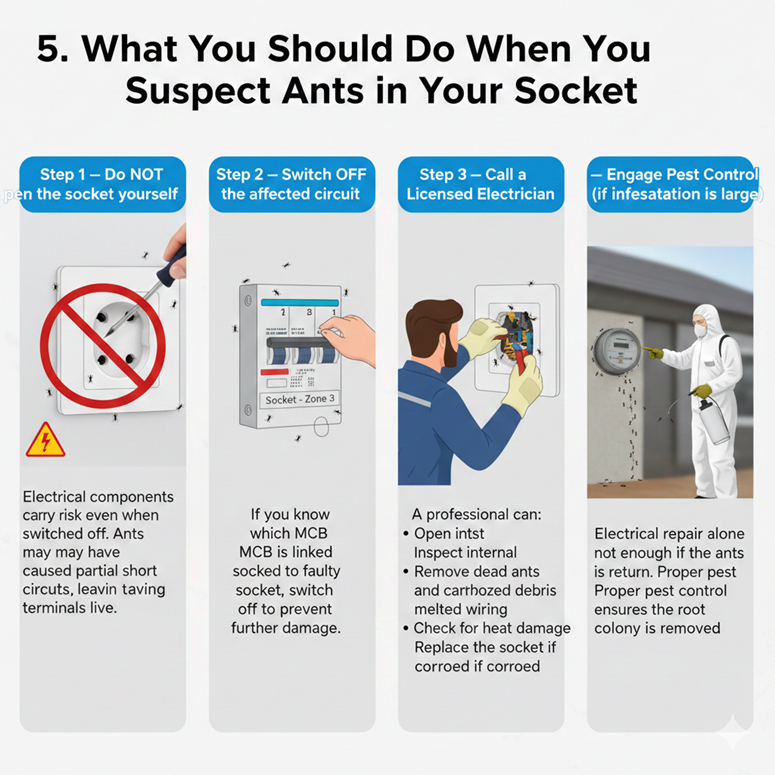
Step 1 — Do NOT open the socket yourself
Electrical components carry risk even when switched off. Ants may have caused partial short circuits, leaving terminals live.
Step 2 — Switch OFF the affected circuit
If you know which MCB is linked to the faulty socket, switch it off to prevent further damage.
Step 3 — Call a Licensed Electrician
A professional can:
Open the socket safely
Inspect internal terminals
Remove dead ants and carbonized debris
Check for heat damage or melted wiring
Replace the socket if corroded
Step 4 — Engage Pest Control (if infestation is large)
Electrical repair alone is not enough if the ants return. Proper pest control ensures the root colony is removed.
6. Preventing Ants from Entering Sockets Again

6.1 Seal Gaps Around Conduits
Electricians can seal the gaps behind trunking and wall openings where ants often enter.
6.2 Keep Food Sources Away
Ants usually invade electrical areas only because they are passing through — remove food sources in the kitchen or living room to reduce traffic.
6.3 Use Ant Baits (Safe Distance from Sockets)
Place ant gels or baits along floor edges away from electrical fixtures.Never put gels directly on sockets.
6.4 Schedule Electrical Maintenance
A yearly electrical health check detects:
Overheating
Loose terminals
Signs of insect intrusion
Moisture accumulation
6.5 Replace Old Switches & Sockets
Older models degrade faster and develop internal gaps that attract ants.
7. Why This Problem Is More Common Today
Urban Environment & Ant Migration
High-rise HDBs and condos create interconnected pathways — ants can travel between units through service risers and trunking.
Warm Climate
In tropical climates like Singapore, warm areas inside sockets encourage ant colonies.
Modern Wiring Designs
Some modern sockets have slimmer bodies or ventilation gaps, giving ants easier access.
8. When Ants Trigger a Power Trip: A Realistic Scenario
Imagine this situation:
A homeowner notices the living room power trips every time she switches on a lamp. She resets the breaker, and it trips again. No burning smell, no overload — everything looks normal.
An electrician opens the socket and discovers:
Hundreds of dead ants
A nest built behind the socket
Carbonized black marks on the terminals
A melted neutral terminal
Just a few ants had created a conductive bridge, leading to repeated RCCB tripping.
Replacing just the socket was not enough — the wiring insulation had minor burn damage and needed repair too.
This is why timely action matters.
9. When to Call a Professional Immediately
Contact an electrician if you notice:✔ Repeated tripping on the same MCB✔ Warm or discoloured sockets✔ Ants frequently crawling around electrical points✔ Burning smell or buzzing sound✔ Sparks when plugging in appliances
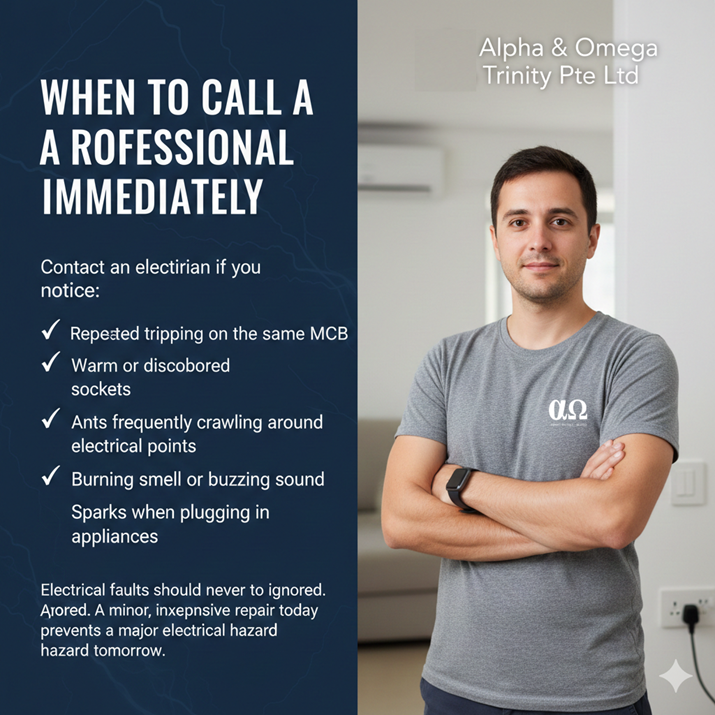
Electrical faults should never be ignored. A minor, inexpensive repair today prevents a major electrical hazard tomorrow.
10. Final Thoughts
While it may sound unusual, ants inside electrical sockets are a very common issue in tropical homes. Their nesting habits, moisture, and movement are enough to trip sensitive protection devices like RCCBs.
A simple insect colony can cause:
Frequent power loss
Burned sockets
Electrical damage
Fire hazards
If you experience unexplained electrical tripping, never assume it's just a “small problem.” You may have an ant infestation hidden behind your walls.
A licensed electrician can inspect, clean, and safely restore the system. Combined with pest control and sealing entry points, you can keep your home safe and prevent future outages.
Comments