
Why Your Basin Drain Gurgles — The Hidden Warning Sign of a Partial Choke Below
- SURESH K
- 3 days ago
- 4 min read


Many people ignore strange sounds coming from their basin drain.You may hear bubbling, gurgling, or air-like noises after water flows down the sink. Some homeowners think this is normal plumbing behavior.
Unfortunately, in many cases, these sounds are actually an early warning sign of a hidden drainage problem developing inside the pipe system.
A gurgling basin drain often indicates a partial choke somewhere below the pipe line. While water may still be draining, the flow inside the pipe is no longer smooth. Air becomes trapped, pressure builds up, and the drainage system starts producing unusual noises.
If ignored, this small issue can eventually develop into a serious blockage, water overflow, foul odor problem, or even hidden water damage inside cabinets and walls.
Understanding why basin drains gurgle can help property owners act early before repair costs become much more expensive.
What Causes the Gurgling Sound?
Inside every drainage system, water and air must move together smoothly.
When you discharge water into the basin:
Water flows downward through the pipe
Air inside the drainage line escapes through the venting system
Pressure remains balanced
However, when part of the pipe becomes partially blocked, the normal airflow is disturbed.
The restriction causes:
Air pockets inside the pipe
Unstable water flow
Pressure fluctuations
Vacuum effects within the drainage line
As water struggles to pass through the narrowed section, trapped air bubbles rise upward and create the familiar “gurgling” or “bubbling” sound.
This is often one of the earliest signs that the drainage system is beginning to choke.
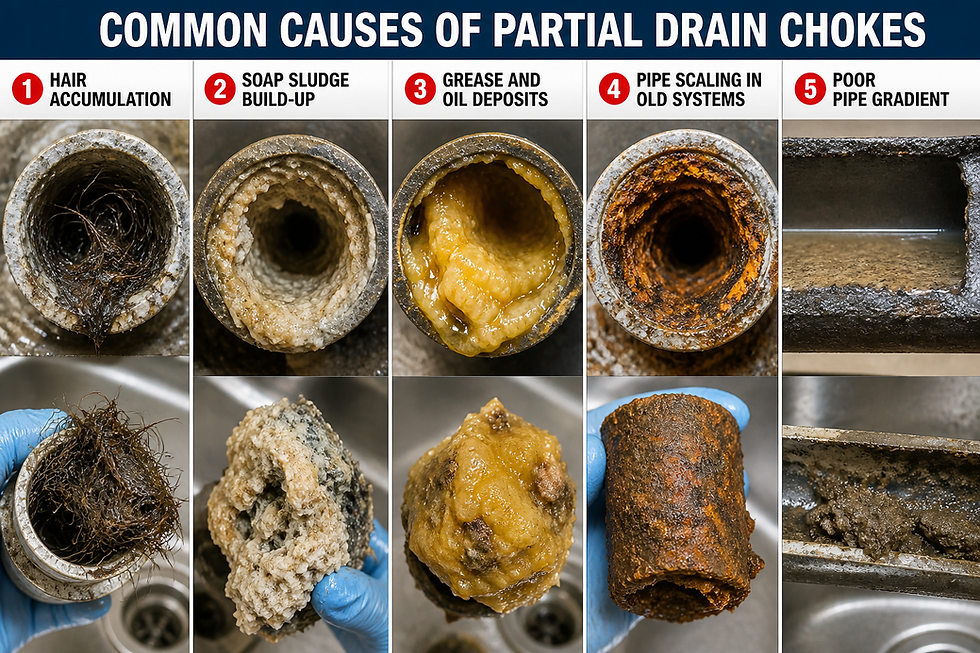
Common Causes of Partial Drain Chokes
1. Hair Accumulation
Hair is one of the most common causes of basin drain blockage.
Over time:
Hair sticks to the inner pipe surface
Soap residue traps additional debris
Small clumps grow larger
Water flow becomes restricted
Even if the basin still drains, the narrowing inside the pipe can create gurgling sounds.
2. Soap Sludge Build-Up
Soap may appear harmless, but many soap products leave behind sticky residue inside drainage pipes.
Over months or years:
Soap hardens along pipe walls
Debris sticks onto the residue
Internal pipe diameter becomes smaller
Water struggles to flow smoothly
This gradual build-up is especially common in older drainage systems.
3. Grease and Oil Deposits
Kitchen or pantry basin systems are highly vulnerable to grease accumulation.
When oil enters the drain:
It cools and hardens inside pipes
Food particles stick onto greasy surfaces
Thick deposits slowly develop
Pipe flow becomes heavily restricted
Many severe drain chokes begin as small grease accumulations.
4. Pipe Scaling in Old Systems
Older metal pipes may develop corrosion and mineral scaling internally.
Over time:
Internal surfaces become rough
Water flow efficiency reduces
Debris catches more easily
Pipe capacity decreases
Even without a complete blockage, scaling can cause unstable flow and drainage noise.
5. Poor Pipe Gradient
Drain pipes rely on proper slope to allow wastewater to flow naturally.
If the pipe gradient is poor:
Water flow slows down
Debris settles inside the pipe
Sediment accumulates
Repeated partial choking occurs
Incorrect installation or building settlement may contribute to this problem.
Why You Should Not Ignore Basin Gurgling
Many people continue using the basin because water is “still draining.”
Unfortunately, partial chokes usually worsen over time.
As blockage increases, the system may eventually experience:
Slow Drainage
Water begins draining slower and slower until the basin starts holding standing water.
Dirty Water Backflow
In severe cases, wastewater may rise back upward into the basin.
This creates:
Hygiene concerns
Bad odors
Contamination risks
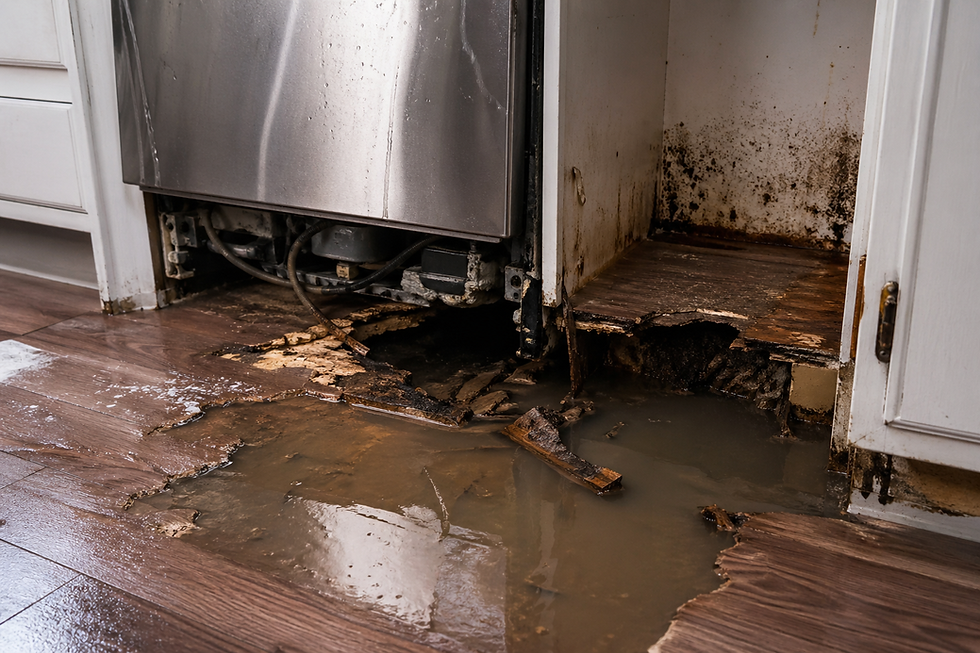
Water Leakage Inside Cabinets
Pressure fluctuations and prolonged moisture exposure can damage:
Pipe joints
Basin traps
Cabinet interiors
Hidden leaks may develop beneath the sink.
Foul Smells from the Drain
Trapped organic matter inside partially blocked pipes begins decomposing.
This can create:
Strong sewer odors
Bacterial growth
Unpleasant bathroom or kitchen smells
Complete Pipe Choke
Eventually, the partial blockage may become a total blockage.
At this stage:
Water cannot drain at all
Overflow occurs rapidly
Emergency plumbing work becomes necessary
Repair costs become much higher compared to early intervention.
Hidden Damage Many People Don’t Notice
One major danger of drainage issues is hidden moisture damage.
Repeated slow leaks or overflow can affect:
Wooden cabinets
False ceilings
Wall finishes
Flooring materials
Electrical systems near wet areas
Moisture trapped inside enclosed spaces may also encourage mold growth.
Mold exposure can contribute to:
Respiratory irritation
Allergies
Bad indoor odors
Health concerns for children and elderly occupants
This is why even “small” drainage symptoms should not be ignored.
Why DIY Solutions Often Fail
Many people try:
Chemical drain cleaners
Boiling water
Temporary plunging
Store-bought cleaning liquids
These may temporarily improve drainage but often fail to remove the actual deep blockage.
In some cases, harsh chemicals can even damage older pipes.
Professional inspection is usually required to identify:
Exact blockage location
Pipe condition
Internal build-up severity
Whether pipe damage exists
Professional Drain Inspection and Clearing

A professional drainage service typically involves several steps.
1. Inspection
The drainage system is checked for:
Flow condition
Pipe restrictions
Backflow symptoms
Leak signs
Ventilation issues
2. Mechanical Drain Clearing
Specialized equipment may be used to:
Break apart sludge build-up
Remove hair accumulation
Clear grease deposits
Restore proper pipe flow
3. Pipe Flushing
After clearing, the pipe is flushed thoroughly to remove loosened debris.
This helps restore smoother water flow.
4. Leak and Condition Assessment
The system is checked for:
Weak joints
Pipe deterioration
Future failure risks
Water leakage signs
Early detection can prevent expensive repairs later.
How to Prevent Future Drain Chokes
While some blockages are unavoidable over time, proper maintenance greatly reduces the risk.
Helpful prevention methods include:✔ Avoid allowing hair into basin drains✔ Clean drain strainers regularly✔ Never pour grease or oil into sinks✔ Flush drains periodically✔ Address slow drainage early✔ Arrange professional maintenance when symptoms appear
Small preventive actions can significantly extend pipe lifespan.
Final Thoughts
A gurgling basin drain is not simply an annoying sound.
It is often an early warning sign that your drainage system is struggling below the surface.
Ignoring the issue may eventually lead to:
Full drainage blockage
Water overflow
Hidden leaks
Cabinet damage
Mold growth
Expensive emergency repairs
Early professional inspection and drain clearing can prevent major problems before they become serious.
If your basin drain is making bubbling or gurgling noises, it is better to investigate the problem early rather than wait for a complete choke situation.
📞 Call / WhatsApp: +65 8151 8857🌐 Website: www.aotrinitysg.com.com


Comments