
Your Kids May Be Brushing Teeth with Contaminated Water — A Silent Risk Many Families Ignore
- SURESH K
- 4 days ago
- 4 min read


Most parents work hard to protect their children from harmful bacteria and unhealthy environments. We clean our homes, sanitize surfaces, and pay attention to food hygiene. But there is one hidden danger many households overlook every single day:
🚨 Contaminated water inside the home plumbing system or water storage tank.
Every morning, children use tap water to brush their teeth, rinse their mouths, wash their faces, and bathe. Most families naturally assume the water is safe because it looks clean. However, hidden contamination inside water tanks and internal piping systems can silently affect water quality without obvious warning signs.
In many buildings and homes, water tanks and piping systems are rarely inspected until a major problem occurs. By the time visible symptoms appear, contamination may already be spreading throughout the water supply system.
Why Contaminated Water Is a Serious Concern
Water contamination does not always mean the water turns dark brown or smells terrible immediately. In many situations, contaminated water can still appear relatively normal.
The danger is that harmful substances may exist inside the system without being easily visible.
Some common contaminants found inside poorly maintained water systems include:
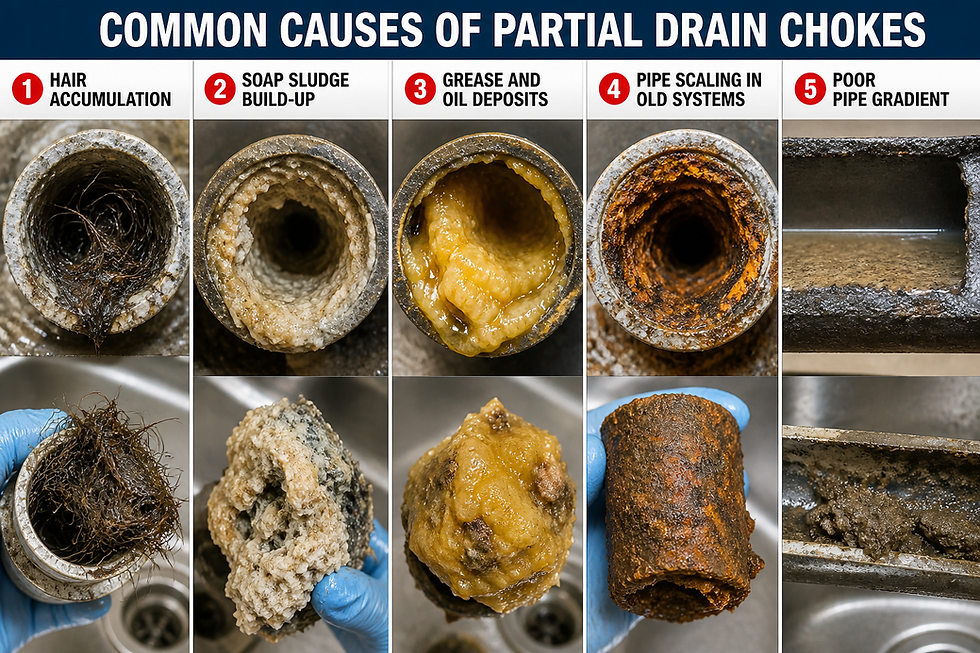
Sediment buildup
Rust particles
Sludge accumulation
Bacteria growth
Biofilm inside pipe walls
Dirt entering through damaged tank covers
Insect or pest contamination
Corroded pipe materials
Children are especially vulnerable because they use tap water daily during oral hygiene routines. Even small amounts of contamination repeatedly entering the body over time may create hygiene and health concerns.
How Water Tanks Become Contaminated
Many residential and commercial buildings rely on water storage tanks to maintain daily water supply. Over time, these tanks can develop hidden internal problems if maintenance is neglected.
1. Sludge and Sediment Accumulation
Minerals, sand particles, rust, and dirt slowly settle at the bottom of water tanks over the years. Without periodic cleaning, thick sludge layers can form.
Whenever water flow changes suddenly, this sediment may circulate into the building’s water supply.
2. Damaged or Loose Tank Covers
A damaged tank cover may allow contaminants to enter the system, including:
Dust
Rainwater
Insects
Debris
Small pests
Even tiny openings can create major contamination risks over time.
3. Rusting Internal Components
Older steel tanks and corroded internal fittings may release rust particles into the water system. This often causes yellowish or brownish water discoloration.
4. Stagnant Water Conditions
When water circulation is poor, bacteria growth becomes more likely. Stagnant water areas inside tanks create ideal conditions for microbial contamination.
5. Poor Maintenance Practices
Some buildings delay tank servicing for years due to cost concerns or lack of awareness. Unfortunately, hidden contamination usually worsens over time when ignored.
Warning Signs Your Water May Not Be Safe
Many families ignore early warning signs because the issue appears “minor.” However, these symptoms often indicate deeper internal problems inside the water system.
Watch for:
⚠️ Yellowish or cloudy water⚠️ Strange smell from taps⚠️ Metallic taste in water⚠️ Black or brown particles⚠️ Slimy residue around taps⚠️ Low or inconsistent water pressure⚠️ Water discoloration after periods of non-use⚠️ Frequent staining on sinks or bathroom fixtures
In some cases, the contamination may only appear temporarily before “disappearing,” leading homeowners to assume the problem is solved when it is actually getting worse internally.
Hidden Health and Hygiene Risks
Contaminated water affects more than drinking water alone.
Children and adults use tap water daily for:
Tooth brushing
Face washing
Showering
Cleaning utensils
Cooking preparation
Mouth rinsing
Poor water quality may contribute to:
Skin irritation
Oral hygiene concerns
Unpleasant odors
General hygiene issues
Bacterial exposure risks
Even if the contamination level is not immediately dangerous, long-term neglect of water hygiene should never be ignored.
Why Children Are More Vulnerable
Children are naturally more sensitive to environmental contamination because:
Their immune systems are still developing
They accidentally swallow water while brushing teeth
They are exposed daily during bathing and hygiene routines
Many parents would never knowingly allow contaminated water near their children — yet hidden plumbing and tank problems may silently expose families without obvious warning.
The Problem with “Clear Looking” Water
One of the biggest misconceptions is:“If the water looks clear, it must be clean.”
Unfortunately, many contaminants cannot be seen easily with the naked eye.
Bacteria, microscopic particles, internal pipe corrosion, and biofilm growth may exist even when the water appears visually normal.
This is why professional inspection and maintenance are important instead of relying only on appearance.
Professional Water Tank Cleaning Matters
Proper water tank maintenance is not simply “washing the tank.”
Professional servicing involves:✔ Internal inspection✔ Sludge removal✔ Sediment cleaning✔ Float valve checking✔ Overflow system inspection✔ Tank cover inspection✔ Pipe condition observation✔ Water circulation assessment✔ Testing of critical components
Routine maintenance helps reduce contamination risk and improve overall water hygiene.
Common Mistake: Waiting Until the Problem Becomes Serious
Many building owners delay servicing until:
Residents complain
Water becomes visibly dirty
Water pressure drops
Major contamination occurs
Unfortunately, by this stage, the internal condition may already be severe.
Preventive maintenance is always safer and more cost-effective than emergency rectification work.
Water Hygiene Is Part of Family Safety
Parents often invest heavily in:
Air purifiers
Healthy food
Sanitizers
Cleaning products
But water hygiene is equally important.
The water used by your family every day should never be taken for granted.
A properly maintained water system helps ensure:✅ Cleaner daily water usage✅ Better hygiene conditions✅ Reduced contamination risk✅ Improved household confidence✅ Safer water for children and elderly family members
Final Thoughts
Water contamination problems are often silent. There may be no immediate major symptoms, no dramatic leaks, and no obvious warning until the issue becomes serious.
That is why regular inspection and preventive maintenance are extremely important.
If your building or home water system has not been inspected for a long time, it may be time to check the condition before hidden contamination affects your family’s daily life.
Protect your loved ones before a small unseen problem becomes a major health and hygiene concern.
📞 Call / WhatsApp: +65 8151 8857🌐 www.aotrinitysg.com.com
Alpha & Omega Trinity Pte LtdProfessional Plumbing, Water Tank & Water System Specialists in Singapore

Comments